Unlocking Climate Action: A Guide to Climate Change Funds
Unlocking Climate Action: A Guide to Climate Change Funds
Global Efforts to Mitigate the Climate Crisis Through Funding
Climate change poses one of the most significant global challenges of our time. Rising temperatures, more frequent natural disasters, and altered ecosystems threaten the very foundation of our societies and economies. To combat this crisis, governments, organizations, and individuals are joining forces to unlock climate action through various funding mechanisms. The good news is that, with the right investments, we can mitigate the worst effects of climate change and create a more sustainable future.
A Complex Problem Requires a Multifaceted Solution
Climate change is a complex, multi-faceted issue that requires a comprehensive approach. It affects not only the environment but also human health, economies, and societies. The World Health Organization (WHO) estimates that in 2016, air pollution caused over 9 million premature deaths, with climate change being a significant contributing factor. The economic impact is staggering, with the Intergovernmental Panel on Climate Change (IPCC) estimating that, if left unchecked, climate change could cost the global economy up to 11% of GDP by 2100.
The Role of Climate Change Funds
Climate change funds play a critical role in unlocking climate action by providing financial support to projects and initiatives that focus on reducing greenhouse gas emissions, promoting sustainable development, and supporting climate resilience. These funds can be obtained from governments, multinational corporations, NGOs, and private investors. Climate change funds can be categorized into several types, each with its own focus and objective:
- Global Environment Facility (GEF): The GEF is an international organization that aims to address global environmental issues, including climate change. It provides financial support to developing countries for projects that protect the global environment.
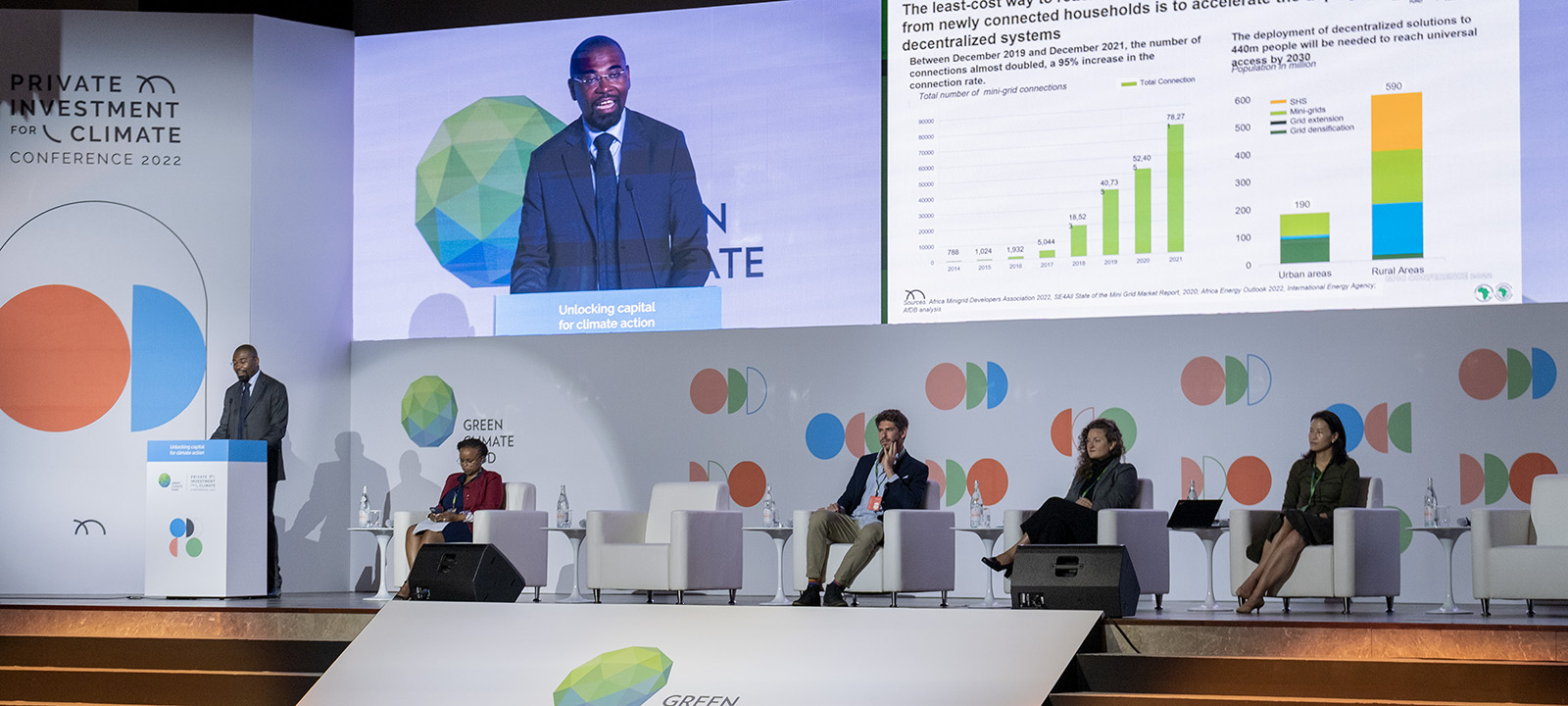
- Green Climate Fund (GCF): The GCF is a multilateral fund that focuses on providing financial support to developing countries to mitigate and adapt to the impacts of climate change.
- Climate Investment Funds (CIF): The CIF is a multilateral fund that provides financial support to developing countries to promote sustainable development and reduce greenhouse gas emissions.
- United Nations Development Programme (UNDP): The UNDP provides financial support to developing countries for projects that promote sustainable development and reduce poverty.
Funding Opportunities Around the World
Climate change funds are not limited to multilateral organizations. Many governments, corporations, and NGOs are also offering funding opportunities for climate change projects. Here are a few examples:
*
The European Commission's Horizon 2020 initiative is a major funding program that supports research and innovation in areas related to climate change mitigation and adaptation.
*
The Australian Government's Climate Action Fund provides financial support for projects that mitigate the effects of climate change and promote climate resilience.
*
The Norwegian Government's Climate and Forests Fund supports projects that reduce deforestation and promote sustainable forest management in developing countries.
*
The Bill and Melinda Gates Foundation is providing significant funding to projects that promote green growth and sustainable development in Africa.
Unlocking Climate Action Requires Collaboration and Partnerships
Unlocking climate action requires collaboration and partnerships among governments, civil society, the private sector, and indigenous peoples. These partnerships can leverage funding mechanisms, knowledge, and resources to tackle the complexity of climate change. Governments can establish national climate funds to support projects that promote sustainable development and reduce emissions. Civil society organizations can mobilize public support and lobby governments for increased funding for climate action. The private sector can provide funding and expertise to support projects that reduce greenhouse gas emissions and promote climate resilience.
Lessons Learned from Successful Climate Change Funds
Several climate change funds have shown impressive results in supporting projects that reduce greenhouse gas emissions, promote sustainable development, and support climate resilience. Here are a few lessons learned from these initiatives:
Transparency and Accountability
Climate change funds should be transparent and accountable to ensure that funding is being used effectively and efficiently. This includes clear guidelines, monitoring and evaluation systems, and regular reporting.
•Transparency in project design and implementation allows for better tracking and evaluation of results.
•Accountability is crucial in preventing corruption and ensuring that funding is being used for its intended purpose.
Local Ownership and Participation
Climate change funds should support projects that have strong local ownership and participation. This ensures that funding is being used in a way that is culturally sensitive, socially inclusive, and environmentally responsible.
•Grassroots movements and community-based initiatives can be more effective in promoting climate action at the local level.
•Local ownership and participation can ensure that funding is being used in a way that aligns with community priorities and needs.
Climate Change Funds as a Catalyst for Green Growth
Climate change funds can be a powerful catalyst for green growth by supporting projects that promote sustainable development and reduce emissions. This includes supporting renewable energy projects, green industry initiatives, and sustainable land use practices.
•Green growth has significant economic benefits, creating jobs and stimulating innovation.
•Climate change funds can be used to support initiatives that promote energy efficiency, sustainable transportation, and waste reduction.
Addressing Climate Change beyond Funding
Climate change funds are just one piece of the puzzle in addressing the climate crisis. It also requires government policies, regulations, and international agreements. Here are a few takeaways:
*Climate change funds should be used to support projects that promote sustainable development and reduce emissions.
Climate change policies, regulations, and international agreements play a critical role in addressing the climate crisis.
Transparency, accountability, and ownership are important in ensuring effective climate action.
Climate change funds can be a powerful tool in promoting green growth and sustainable development, but they should be used in conjunction with government policies and regulations.
Conclusion
The climate crisis requires a comprehensive approach that involves governments, civil society, the private sector, and indigenous peoples working together to reduce greenhouse gas emissions, promote sustainable development, and support climate resilience. Climate change funds are a critical tool in unlocking climate action by providing financial support to projects and initiatives that focus on greenhouse gas reduction and climate resilience. By leveraging funding mechanisms, knowledge, and resources, we can create a more sustainable future and mitigate the worst effects of climate change.



Related Post

Unlocking Climate Action: A Guide To Navigating The Complex Landscape Of Climate Change Funds

UNCOVERING DAVID BLAINE'S MYSTERIOUS MUSE: INSIDE THE WORLD OF JOSIE

Unveiling Laura Ingraham's Private Life: A Glimpse into Her Personal World

Uncovering The Truth: The Family Secrets of Beloved Actress Anne Ramsey


